
- Hi Scores 2026 Reissue
- Follow us:
 +
+ 
- Help keep us online 🍊
Difference between revisions of "Magical, Mystery, Cycling"
(→Scans) |
m |
||
| (2 intermediate revisions by 2 users not shown) | |||
| Line 12: | Line 12: | ||
"[[Magical, Mystery, Cycling]]" is an interview (in Japanese) by Tsutomu Noda, Naohiro Kato originally published Apr. 2002 in Remix magazine (Japanese Publication) Number 130, pp.42-47. | "[[Magical, Mystery, Cycling]]" is an interview (in Japanese) by Tsutomu Noda, Naohiro Kato originally published Apr. 2002 in Remix magazine (Japanese Publication) Number 130, pp.42-47. | ||
</onlyinclude> | </onlyinclude> | ||
| + | |||
__TOC__ | __TOC__ | ||
| − | |||
== Original Text == | == Original Text == | ||
<onlyinclude> | <onlyinclude> | ||
| − | {{ | + | {{original}} |
| + | '''Note''': Transcription by Apple's [https://support.apple.com/en-gb/guide/preview/prvw625a5b2c/mac Live Text] on a MacBook Pro | ||
| + | |||
| + | |||
| + | |||
| + | [[File:2002_04_Remix_No130_pg42.jpg|100px|right]] | ||
| + | |||
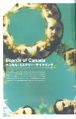
| + | [[Boards of Canada]]:<br> | ||
| + | マジカル・ミステリー・サイクリング<br> | ||
| + | ついにセカンド・アルバムを出したボーズ・オブ・カナダ、その円環的な夢幻性<br> | ||
| + | <br> | ||
| + | ついに、と言えばいいのか、ようやく、と言えばいいのか、あるいは忘れた頃に、と言え<br> | ||
| + | ばいいのか、あーもうよくわからない。いずれにしてもボーズ・オブ・カナダの新譜が出<br> | ||
| + | る。出るんですよ、加豚さん!ところでポーズ・オブ・カナダとは何?オウテカ以降の<br> | ||
| + | 注目度だんとつのエレクトロニカだって?いやー、そんなB級評論家みたいな野暮な<br> | ||
| + | こと言わないで。これこそ進歩と頽廃が共存する”現在”のサイケデリックなんだから。<br> | ||
| + | |||
| + | [[File:2002_04_Remix_No130_pg43.jpg|100px|right]] | ||
| + | |||
| + | |||
| + | '''words''' Tsutomu Noda . Nachiro Kato | ||
| + | |||
| + | '''translation''' Kyoko Fukuda . Kana Muramatsu | ||
| + | |||
| + | |||
| + | [[File:2002_04_Remix_No130_pg44.jpg|100px|right]] | ||
| + | |||
| + | ボーズ・オブ・カナダのどこが魅力かって、言うまでもなく、そ<br> | ||
| + | の極端な遊戯に尽きる、でしょう。人気の高い"アクエリアズや<br> | ||
| + | "ハッピー・サイクリングのような曲、それらに共通しているの<br> | ||
| + | は、悪戯めいた夢性だ。<br> | ||
| + | 例えば”ハッピー・サイクリング。あの最小限の反復のなかで<br> | ||
| + | 発話されるナンセンスな言葉の連続、その果てに広がるのはい<br> | ||
| + | たってドライな夢の世界だ。そこにはラヴだとか精神性だとか、<br> | ||
| + | そうした大人の言語が入る隙間なんかない。なかば幼児的な価<br> | ||
| + | 値観によるドライな夢幻性、乾ききりながらも叙情的な夢、ナン<br> | ||
| + | センスが交錯する瑞々しい世界、ボーズ・オブ・カナダはいまだ<br> | ||
| + | 徹底的にそれでしかない。このサイケデリックはもう、現実社会<br> | ||
| + | に目を向けようとする態度からも、あるいはまた夢幻のなかに<br> | ||
| + | 意味を見出そうとする態度からもおおよそかけ離れている。か<br> | ||
| + | くして、僕たちはボーズ・オブ・カナダの”ハッピー・サイクリング<br> | ||
| + | 幸福な回転)のなかをぐるぐると永遠に回り続けることになる。<br> | ||
| + | その音楽を聴いている限りは、夢はどこまでもどこまでも回転するのだ・・・...<br> | ||
| + | <br> | ||
| + | お姉さんはまた目をあけさえすれば、何もかも退屈な現実に戻っ<br> | ||
| + | てしまうのだということは知っていましたが.....<br> | ||
| + | ルイス・キャロル『不思議の国のアリス」<br> | ||
| + | <br> | ||
| + | そんなことお姉さんじゃなくたって知っている、と思う<br> | ||
| + | 1998年にリリースされた『Music Has The Right to<br> | ||
| + | Children』、”音楽は子供たちのための権利を持づ”と題された<br> | ||
| + | 彼らのファースト・アルバムを聴いて「この音楽が好きだ」と思<br> | ||
| + | ったひとはたぶん、目覚めることで幻滅したくないのだ。子供が<br> | ||
| + | 意味のない言葉遊びに夢中になっている最中に、大人がしたり<br> | ||
| + | 顔で芸のない理屈をこねても場が白けるだけのように、サイケ<br> | ||
| + | デリックであれファンタジーであれ、ときとしてそこに大人の言<br> | ||
| + | 詰が入ると白々しくなることを僕たちは知っている。教訓めい<br> | ||
| + | た意味性が読みとれたり、整合性を持ったロマンティシズムだっ<br> | ||
| + | たり、ワン・ラヴだったり、もうそんなことはうんざりするほど聞<br> | ||
| + | き飽きている。だったらもうそんな場所から徹底して隔離され<br> | ||
| + | たほうがいい、ということで日本でレイ<br> | ||
| + | ヴ・カルチャーが盛り上がった90年代後半に、それとはまるで別種の乾ききった叙情<br> | ||
| + | 的な夢幻性を持つボーズ・オブ・カナダの音楽は日本のダンスフロアで必要とされていたのだ。<br> | ||
| + | “アクエリアズでのミニマリズムのなかでは、途中から数字<br> | ||
| + | が読み上げられる。1から順番に読み上げられる数字は、途中か<br> | ||
| + | ら脈絡なく飛ぶ。が、そんなことはある意味どうでもいい。僕た<br> | ||
| + | ちはただそのナンセンスで乾いた夢幻に遊んでいる。”アクエ<br> | ||
| + | リアズや“ハッピー・サイクリングだけではない。ミニマリズ<br> | ||
| + | ムを基調としているボーズ・オブ・カナダの曲では、あらゆる位<br> | ||
| + | 相で反復が続き、そのなかを子供声や夢的な音が煌めく。B<br> | ||
| + | 0Cサウンドとしか表しようのない、少しばかりこもり気味のあ<br> | ||
| + | の幻のような音が回転する。その閉ざされた円環はあたかも誘<br> | ||
| + | 惑の声のように聴こえる。ファースト・アルバムの冒頭の”ア<br> | ||
| + | <br> | ||
| + | ン・イーグル・イン・ユア・マインド、あの曲で聴こえる子供声の<br> | ||
| + | “アイ・ラヴ・ユー”という言葉、現実をあざ笑っているようなあ<br> | ||
| + | の響き、あれはどう考えてもやっぱ、僕たちを誘っている。閉ざ<br> | ||
| + | された円環の、しかし広漠とした夢幻の世界に。<br> | ||
| + | イギリスではボーズ・オブ・カナダをエレクトロニカではなく、<br> | ||
| + | どちらかと言えばサイケデリックに分類しているようだが、たし<br> | ||
| + | かに彼らの音楽の特殊性はオウテカよりも、ビートルズの『サー<br> | ||
| + | ジェント・ペパーズ〜』やビーチ・ボーイズの「ペット・サウンズ』、<br> | ||
| + | あるいはピンク・フロイドのファーストなんかにより近い、と思う。<br> | ||
| + | <br> | ||
| + | ボーズ・オブ・カナダのセカンド『Geogaddi」は、基本的には、<br> | ||
| + | というか、まるっきりファーストの延長線上にあるアルバムだ。<br> | ||
| + | リズムに対する懲りようとか、音楽的なところでの多少の変化<br> | ||
| + | はあるけれど、これはもう、見事なくらいにファーストの続編だ。<br> | ||
| + | リチャード・ジェイムズがアルバムごとにころころ違った側面を<br> | ||
| + | 見せつけていることを思えば、スコットランドのマイク・サンディ<br> | ||
| + | ンソンとマーカス・エオインのふたりは、実直なまでに彼らの夢<br> | ||
| + | 幻をふたたび作り上げ、彼らの隔離されたあちら側の世界を提<br> | ||
| + | 示した。「現実のことを考えれば僕たちも仕事したりとか、排便<br> | ||
| + | したりとか、税金払わなければならないわけで・・・・・・」と加藤さ<br> | ||
| + | んは言った。「そう、そうなんですよ加藤さん、当たり前の話、だ<br> | ||
| + | から僕たちは一生夢幻に遊んでいるなんて不可能なんですよ」<br> | ||
| + | と彼は言った。「それはつまり、不可能性の追求なんですよ。そ<br> | ||
| + | こからの痛みが彼らの乾いた叙情性に行き着いているのでは<br> | ||
| + | ないでしょうか」「ほおー、なんとも世知辛い話ですな、なははは」<br> | ||
| + | と加藤さんは焼しそうに笑った。<br> | ||
| + | <br> | ||
| + | '''まずはふたりの出会いから。'''<br> | ||
| + | マーカス:かなりの時間をアウトドアで過ごして創意工夫を学<br> | ||
| + | んだ。子供の頃はかなり映画に興味を持っていた。とくにSF映<br> | ||
| + | 画や両親が観て欲しくないと願うような種類の映画にね。その<br> | ||
| + | 頃観た映画は音楽やイメージに大きな影響を与えた。荒涼たる<br> | ||
| + | ヴィジョンの未来につねに興味を持っていて、とくに1970年代<br> | ||
| + | の視点での未来には影響されたね。<br> | ||
| + | '''ふたりはスコットランド北部~イングランド南部~カナダ(アルバータ)などいろいろな土地を転々としていたそうですが。'''<br> | ||
| + | マーカス:親が建設業界で仕事をしていたから、仕事のある所へ引<br> | ||
| + | っ越しをしていたんだよね。<br> | ||
| + | '''もっとも印象に残っている場所はどこですか?'''<br> | ||
| + | マイク:スコットランド北部だろうね。あそこはすごくシンプルで<br> | ||
| + | 気楽だった。だから重要なこと、例えば本を読んだり、新鮮な空<br> | ||
| + | 気を吸ったりすることに集中できるんだ。でも人里離れたコミ<br> | ||
| + | ユニティに住むことで払わなければいけない代償は、ポピュラ<br> | ||
| + | ~カルチャーの大半を見逃すことになるということだ。誰にと<br> | ||
| + | っても理想なのは人生のどこかの時点でその両方を経験する<br> | ||
| + | ことじゃないかな。視野が広がるからさ。<br> | ||
| + | '''好きなロック・バンドを3つ挙げてください。'''<br> | ||
| + | |||
| + | [[File:2002_04_Remix_No130_pg45.jpg|100px|right]] | ||
| + | |||
| + | マーカス:コクトー・ツインズ、ジュリアン・コープ、ビートルズ。<br> | ||
| + | マーク:マイ・ブラッディ・ヴァレンタイン、ジュリアン・コープ、ヴ<br> | ||
| + | エルヴェット・アンダーグラウンド。<br> | ||
| + | マーカス:ほかに素響を受けたのは、ディーヴォ、ニッツァー・エ<br> | ||
| + | ブ、DAF、それからさまざまなアンダーグラウンドなヒップホッ<br> | ||
| + | プのレコードだったね。<br> | ||
| + | '''好きなブラック・ミュージックのアーティストを3人挙げてください。'''<br> | ||
| + | マーカス:スティーヴィー・ワンダー。彼がいなかったら、現在<br> | ||
| + | のポップ・ミュージックはまったく違うサウンドになっていただ<br> | ||
| + | ろうな。そしてメアリー・」・ブライジ。実は彼女の音楽のほと<br> | ||
| + | んどは好きじゃないんだけど。でも、彼女の歌にはすごい痛み<br> | ||
| + | や感情があって、ひょっとしたら洗濯をしていることでも歌え<br> | ||
| + | ちゃうんじゃないかって思うほどだよ。で、僕はそこから何かを<br> | ||
| + | 感じるんだ。3つ目はアース・ウィン<br> | ||
| + | ド&ファイヤー。今日のミュージシャ<br> | ||
| + | ンの多くに影響を与えているにも関<br> | ||
| + | わらず過小評価されているバンドさ。<br> | ||
| + | 彼らの歌の構成や、奇妙な中東の数<br> | ||
| + | 秘学、占星術の影響は、ディスコ・バン<br> | ||
| + | ドという名のもと見落とされている<br> | ||
| + | と僕は思う。彼らの現代ヴァージョン<br> | ||
| + | はウータン・クランだよね。かなり似<br> | ||
| + | た影響をもってるだろ。天才のRZA<br> | ||
| + | が同様に今日のバンド・サウンドに影<br> | ||
| + | 響を与えているようにね。<br> | ||
| + | '''ボーズ・オブ・カナダというユニット名<br> | ||
| + | は『National Film Of Canada」という映像制作会社のドキ<br> | ||
| + | ユメンタリー・シリーズに由来しているそうですが。'''<br> | ||
| + | マーカス:州が出資するカナダの映画/ドキュメンタリー制作<br> | ||
| + | 機関さ。彼らの専門はドキュメンタリーだけど、芸術作品もたく<br> | ||
| + | さん作っている。僕らがカナダに住んでいた頃、16ミリで撮影<br> | ||
| + | した野生動物の番組がトレンドだったんだ。視覚的に素晴らし<br> | ||
| + | くて、例えば、鷹が眼下に広がる広大な景色に空から舞い降りて<br> | ||
| + | くる映像にナレーターの声がまるで詩のように絡むといった感<br> | ||
| + | じ。映像に伴う音楽はシンセサイザーをベースにしたものだっ<br> | ||
| + | た。まるで実験的なシンセサイザー・ミュージックという感じだ<br> | ||
| + | ったんだけど、レコーディングがいつもパーフェクトだとはいい<br> | ||
| + | 難かったけど。<br> | ||
| + | '''この番組から音楽的なヒントも得たんですか?。'''<br> | ||
| + | マイク:”公的な情報映像”ってあるだろ。例えば「電線の近くで<br> | ||
| + | 凧をやるのは危ない」とか、「正しいはしごの登り方」とか。カナ<br> | ||
| + | ダではNFBがこれらの映像のほとんどを請け負っている。これ<br> | ||
| + | らの映像に使われる音楽にはひとを脅すような底意があると思<br> | ||
| + | うんだ。それはつねにインスピレーションを与えてくれた。普通<br> | ||
| + | のポップ・レコードよりもかなり奇怪なものだし。ほかに大きな<br> | ||
| + | インスピレーションを受けたものは、古いSF映画で使われてい<br> | ||
| + | るような、シンセひとつのサウンド・エフェクト。イギリスの「ドク<br> | ||
| + | <br> | ||
| + | 映画は音楽やイメージに大きな影響を与えた。荒涼たるヴィジョンの未来につね<br>に興味を持っていて、とくに1970年代の視点での未来には影響されたね。<br> | ||
| + | <br> | ||
| + | ター・フー」とか『チャッキー」とかの映画に使われているよう<br> | ||
| + | なね。事実、僕らはポップ・ミュージックなんかよりも、テレビや<br> | ||
| + | 映画から大きなインスピレーションを受けてきた。あとは、アメ<br> | ||
| + | リカのテレビ・シリーズのジングル、日本のアニメの『ガッチャマ<br> | ||
| + | ン』なんかで最後に流れるやつとか(笑)。<br> | ||
| + | '''影響を受けた映像、あるいは映画を具体的に教えてください。'''<br> | ||
| + | マーカス:イマジネーションの入り込める余地がある映画が好<br> | ||
| + | きなんだ。同時に、美しいショットと現実世界に沿ったルーズな<br> | ||
| + | アドリブの対話がインスピレーションを与えるような作品が好み<br> | ||
| + | かな。僕のヴィデオ・コレクションではたぶん、SF映画のほとん<br> | ||
| + | どを網羅している。でも、本当に好きなのはニコラス・ローグの<br> | ||
| + | 『美しき冒険旅行」、ミケランジェロ・アントニオーニの「砂丘』<br> | ||
| + | あるいは「パピヨン』や『アラビアのロレンス』だ。これらには共<br> | ||
| + | 通のテーマがあると思う。あと、サーフィンの映画も好きだ。で<br> | ||
| + | も、現代のやつじゃなくて、70年代に<br> | ||
| + | 録られたもので16ミリのでサイケデ<br> | ||
| + | リックなサウンドトラックがついてるや<br> | ||
| + | つ『ビッグ・ウェンズデー」とか。スロー<br> | ||
| + | モーションのウェイヴ・チューブのカラ<br> | ||
| + | 一映像には非常に美しいと感じさせる<br> | ||
| + | 何かがあるんだよね。いっぽうで、アシ<br> | ||
| + | ッドなサイケデリック音楽が観ている<br> | ||
| + | 者の意識を満たすんだ。<br> | ||
| + | マイク:『ピクニック・アット・ハンギン<br> | ||
| + | グ・ロック」『いれずみの男』(ブラッド<br> | ||
| + | ベリ原作)、『ウィッカーマン』(イギリス<br> | ||
| + | の超カルト映画)。これらすべての映<br> | ||
| + | 画は観る者の心を働かせるスペースを残している作品だから<br> | ||
| + | ね。それによって心をかきみだされるけど、効果的な映画だ。<br> | ||
| + | '''BOCの音楽はスコットランドの田園風景や霧がかかった夜明けの風景などをイメージさせますが、あなたたちの制作において地域性というエレメントは重要な意味がありますか?日本では生まれ得ない風景描写だと思うんですが。''' | ||
| + | マイク:面白いことを言うなあ。というのも、僕はつねに日本<br> | ||
| + | の景色っていうのはスコットランドに似ているんじゃないかと<br> | ||
| + | 想像してたからなんだ。山や木々があって、たくさん雨が降る<br> | ||
| + | だろ。でも、おそらく君は日本の都会のことを言っているんだ<br> | ||
| + | ろうな。僕はどこへ行っても自然の景色からインスピレーショ<br> | ||
| + | ンを受ける。<br> | ||
| + | 僕にとって音楽へのインスピレーションを消耗させるものが<br> | ||
| + | ひとつあるとしたら、それは都会の影響だ。都会の環境ではあ<br> | ||
| + | まり長く暮らせない。すぐにもっと静かなところへ逃げる必要を<br> | ||
| + | 感じるんだ。閉所恐怖症的な気持ちになるだけでなく、街に大<br> | ||
| + | 勢のひとたちが押し合いへし合いしているっていうのがダメな<br> | ||
| + | んだ。もちろん、ひとづき合いは好きだ。でも、電車の中や混み<br> | ||
| + | 合った店に押し込められているって感じるのが嫌なんだ。僕は<br> | ||
| + | スタジオから空や水平線が見えないとダメなんだよ。<br> | ||
| + | 1996年、オウテカのショーン・ブースから連絡があって<スカ<br> | ||
| + | |||
| + | [[File:2002_04_Remix_No130_pg46.jpg|100px|right]] | ||
| + | |||
| + | '''ムンからのリリースが決まったそうですね。''' | ||
| + | マーカス:嬉しかったよ。<スカム>は興味深い音楽を作るこ<br> | ||
| + | とに対して真剣に取り組んでいるレーベルだと知っていた<br> | ||
| + | し、くスカム>とオウテカの両方が僕らのサウンドに興味をもっ<br> | ||
| + | ているっていうのは、時厳しい状況に置かれていた自分たち<br> | ||
| + | にとって、とても気づけられることだった。<br> | ||
| + | '''そうしてリリースされたファースト・アルバム『Music Has<br>'''' | ||
| + | '''The Right To Children』のタイトルの意味するところは?''' | ||
| + | マーカス:このタイトルはね、70年代後半の環境保護論者のス<br> | ||
| + | ローガン「Children Have The Right To Music(子供たち<br> | ||
| + | は音楽をやる権利がある)」を遊んだものなんだ。彼らは子供た<br> | ||
| + | ちに、よりポジティヴなことへのインスピレーションを与える手段<br> | ||
| + | として音楽をプレイすることを学んで欲しいと願った。つまり僕<br> | ||
| + | らはその言葉をパロディって音楽がリ<br> | ||
| + | スナーをコントロールしているんだ、<br> | ||
| + | という意味をほのめかしてみたんだ。<br> | ||
| + | '''あのアルバムのスリーヴには顔のな'''<br> | ||
| + | '''い写真が載っていますが。'''<br> | ||
| + | マイク:悲劇的な底意をもたせる意図<br> | ||
| + | があった。写真は馴染みがあるものに<br> | ||
| + | 見える、まるでリスナーの家族の写真<br> | ||
| + | かのようにね。でも何かくすんでいて、<br> | ||
| + | はっきりしない。それが不安をそそる。<br> | ||
| + | 操作したり破壊したサウンドや、自分<br> | ||
| + | 自身の過去の影響を取り入れた音楽<br> | ||
| + | を作るのなら、それがリスナーにも共<br> | ||
| + | 有され、リスナー自身の経験となるような作り方をしなければ<br> | ||
| + | いけないんだ。<br> | ||
| + | <br> | ||
| + | 数学の本を読むのが本当に<br> | ||
| + | 好きなんだ。僕らの音楽やアイディアに<br> | ||
| + | 巨大な影響を与えているよ。そして、<br> | ||
| + | それを知れば知るほど、毎日の生活の<br> | ||
| + | 中の事柄にミステリアスな数学的理由を<br> | ||
| + | より見つけるようになるんだ。<br> | ||
| + | <br> | ||
| + | '''“アクエリアズ”や“ハッピー・サイクリングのような曲ではカ'''<br> | ||
| + | '''ットアップされた言葉が面白い効果を醸し出していますが、あ'''<br> | ||
| + | '''あいう意味のない言葉遊び的なアプローチの意図するところ'''<br> | ||
| + | '''は何ですか?'''<br> | ||
| + | マーカス:あれば”考えを誘発するテクニックだよ。言葉をあ<br> | ||
| + | あいう風に使うのが好きなんだ。それを聴いているとリスナー<br> | ||
| + | が認識することなしに、ちょっとした謎や方程式を音楽の中に<br> | ||
| + | 構築することができるからね。<br> | ||
| + | '''“アクエリアズ”で出てくる言葉、あれば“オレンジって言って'''<br> | ||
| + | '''るんですか、“ナレッジと言っているんですか、なにぶん英語'''<br> | ||
| + | '''が苦手なんで教えて下さい。'''<br> | ||
| + | BOC:(無回答)<br> | ||
| + | '''新作『Geogadd」に“Music Is Math(音楽とは数学である)※<br> | ||
| + | '''という曲がありますね。その曲の中でも数字を読み上げていま'''<br> | ||
| + | '''すが、いったいあなたがたが数字に惹かれる本当の理由は何で'''<br> | ||
| + | '''すか?'''<br> | ||
| + | マイク:数学の本を読むのが本当に好きなんだ。僕らの音楽や<br> | ||
| + | アイディアに巨大な景響を与えているよ。そして、それを知れば<br> | ||
| + | 知るほど、毎日の生活の中の事柄にミステリアスな数学的理由<br> | ||
| + | をより見つけるようになるんだ。それから、パーフェクトなア<br> | ||
| + | <br> | ||
| + | ートと呼べるようなものをクリエイトするために数学を使うこと<br> | ||
| + | は、大きな魅力でもある。自分たちのやっていることは何でも<br> | ||
| + | パーフェクトだ、って言っている訳じゃないよ。でも、レオナル<br> | ||
| + | ド・ダ・ヴィンチなどのアーティストがアートの数学的性質に取り<br> | ||
| + | 憑かれてからというもの、僕らにも数学を用いてパーフェクトな<br> | ||
| + | 音楽を作ろうというある種”聖なる理想”があったんだよ。彼の<br> | ||
| + | ような熟練の画家が数学を使い”パーフェクドな絵をクリエー<br> | ||
| + | トしょうとしたようにね。<br> | ||
| + | '''“The Smallest Weird Number (最小の奇妙な数字)”とい'''<br> | ||
| + | '''う曲もありますよね。いったいこれはどういう数字なんですか?'''<br> | ||
| + | マーカス: 70。<br> | ||
| + | '''好きな小説家は誰ですか?'''<br> | ||
| + | マイク:ウンベルト・エーコ、ニール・ガン(スコットランドの作<br> | ||
| + | 家)、ロバート・アントン・ウィルソン<br> | ||
| + | (神秋/幻想文学)、キム・スタンリ<br> | ||
| + | ー・ロビンソン(レッド・マーズ』で知<br> | ||
| + | られるSF作家)。<br> | ||
| + | マーカス:グレッグ・ベア、ロバート・ア<br> | ||
| + | ントン・ウィルソン。<br> | ||
| + | '''ルイス・キャロルとジェイムズ・ジョイ'''<br> | ||
| + | '''スとではどちらが好みですか?質問'''<br> | ||
| + | '''者の予想ではキャロルなのですが。'''<br> | ||
| + | マーカス:そうだよ、ルイス・キャロル<br> | ||
| + | だよ。何故なら彼はひとつのアート作<br> | ||
| + | 品を別のアートの中に隠すというアイ<br> | ||
| + | ディアを理解しているから。とは言っ<br> | ||
| + | たものの、ジェイムズ・ジョイスも同じことをやった。でも、キャ<br> | ||
| + | ロルの非ファンタジー的なストーリーを伝えるのにファンタジ<br> | ||
| + | ーを使うやり方は天才的だよ。<br> | ||
| + | '''『ハリー・ポッター」についてひとこと。'''<br> | ||
| + | マーカス:あの本はまだ読んでいない。映画は観たけど、面白<br> | ||
| + | かったよ。でも、もう少し先が予想できないものを期待してたけ<br> | ||
| + | どね。世界中の子供が『ハリー・ポッター」の本を<br> | ||
| + | 読んで影響を受けるっていうのは素晴らしいことだと思うよ。携帯電話、スニ<br> | ||
| + | ーカー、大量生産されたポップ・ミュージックにとり憑かれた世<br> | ||
| + | 界で、いまでも本を読み、想像力を使 いながら育っている子供<br> | ||
| + | もいるんだというのを知ってほっとしたよ。希望を与えられた。<br> | ||
| + | '''ビョークの「ヴェスパタイン」についてはどう思います?'''<br> | ||
| + | マーカス:『ヴェスパタイン」を聴いていないんだ。<br> | ||
| + | '''でも、エイフェックス・ツインには共感する部分は大きいんじや'''<br> | ||
| + | '''ないですか?とくに彼の幼児性が出ているところとか。'''<br> | ||
| + | マイク:リチャードの音楽には僕らとのつながりを感じるよ。彼<br> | ||
| + | があまりユーモアを使ってないときのことだけど。彼の場合、幼<br> | ||
| + | 児的な瞬間でさえもアシッド的で理知的なんだ。彼は音楽の天<br> | ||
| + | 才だよ。<br> | ||
| + | '''新作のタイトルの意味するところを教えてください。'''<br> | ||
| + | マーカス:『Mucis Has The Right To Children」は僕らに<br> | ||
| + | とって特定の意味をもったものだった。でも、僕らはリスナーに<br> | ||
| + | |||
| + | [[File:2002_04_Remix_No130_pg47.jpg|100px|right]] | ||
| + | |||
| + | 自身の意味をタイトルから見つけて欲しいと思っている。ある<br> | ||
| + | 特定の意味に狭めてしまうよりは、クエスチョン・マークを残し<br> | ||
| + | ておいた方がインスピレーションを与えるからね。<br> | ||
| + | '''(Geogaddi」はコンセプトありきのアルバムではないんですか?'''<br> | ||
| + | マイク:コンセプトがあるとしたら、めちゃくちゃの状態におかれ<br> | ||
| + | たときの楽しさ。音楽、サウンド・ヴィジュアル、そして知覚が二<br> | ||
| + | ントロールの効かない状況でおかしな動きをみせ、幻覚のよう<br> | ||
| + | に無秩序にあちこちへと動き回る。ヴィジュアルに例えると、普<br> | ||
| + | 通のポップ・ミュージックのアルバムを粉々に打ち砕いたオレン<br> | ||
| + | ジのガラス製のボトルを通して見る感じかな。<br> | ||
| + | '''サイケデリックと定義されることに違和感はありますか?'''<br> | ||
| + | マーカス:ないよ。もし、それが科学的な意味でのサイケデリア<br> | ||
| + | という意味で、バンドや映画が信奉する使い古されたカルチャ<br> | ||
| + | ーとしての意味でなければね。サイケデリックな経験っていうの<br> | ||
| + | は60年代のカルチャーやヒッピーのクリシェの外側に存在する<br> | ||
| + | んだよ。サイケデリックな経験は新石器時代の穴居人であろう<br> | ||
| + | と、遠くの惑星にいる宇宙人であろうとできることなんだ。<br> | ||
| + | '''サイケデリックというものをどのようなものだと考えていますか?''' | ||
| + | マイク:アートという意味かな。正常であることの退屈を打ち破<br> | ||
| + | ることによってインスピレーションを与えるアートすべて。増長<br> | ||
| + | した、または破壊されたマインドをもつという経験を喚起する<br> | ||
| + | ものすべて。<br> | ||
| + | '''曲のなかで子供声を多用するのは、どうした理由からですか?''' | ||
| + | マイク:リスナーに即座に効果を与えることのできるサウンドな<br> | ||
| + | んだ。しかし、その意味はいろいろな捉え方ができる。例えば<br> | ||
| + | 幸福感、喪失感、恐怖、興奮、悲しみなど。ある楽曲のなかでこれ<br> | ||
| + | らの声を聴くと、それらの感情が増強されるんだ。とくにその<br> | ||
| + | 声を取り入れた意味がわからないときにはね・・・。<br> | ||
| + | '''音楽的経験において、BOCがもっとも重要視することは何で'''<br> | ||
| + | '''すか?'''<br> | ||
| + | マーカス:自分が想像したものを再構築してレコーディングす<br> | ||
| + | ること。それが作曲の究極の目的なんだ。つまり、中間部分を<br> | ||
| + | 取り除いて、自分の頭のなかで最初に聴いたものをリスナーに<br> | ||
| + | 対しダイレクトに伝える。僕は、もし神がいるとしたら、神は音楽<br> | ||
| + | を通じてコミュニケートするのだと思っている。いままで、音楽<br> | ||
| + | を通じて神に到達しようとしたミュージシャンについて自分な<br> | ||
| + | りに研究をしてきた。そして、無然にも彼らの作った音楽という<br> | ||
| + | のは、僕をもっとも奇妙な気持ちにさせたものだったんだ。ま<br> | ||
| + | るでそれらの曲がアーティストによって作られていないような<br> | ||
| + | 感じだったんだ。ブライアン・ウィルソンの”ゴッド・オンリー・ノ<br> | ||
| + | ウズを聴いてみてよ。祈りを捧げる神がいるんだったら、僕も<br> | ||
| + | これを試してみようと思う。口<br> | ||
| + | |||
| + | [[File:2002_04_Remix_No130_pg114.jpg|100px|right]] | ||
| + | |||
| + | |||
| + | '''albumreviews''' | ||
| + | |||
| + | |||
| + | [[wikipedia:Kick the Can Crew|KICK THE CAN CREW]] | ||
| + | |||
| + | ''[https://www.discogs.com/master/1040976-Kick-The-Can-Crew-Vitalizer Vitalizer]'' | ||
| + | |||
| + | キックは何も変わっちゃいない。彼らは見事に前作「Young King」の延長線上で新しいアルバムをつくり上げ<br> | ||
| + | た。ここではやっぱり堂々巡りの自問自答とナイト・クラビングの楽しさが語築豊かなライミングの中で歌われる。<br> | ||
| + | 特集の原稿では「前作より確言犯的に大味に仕上げられた作品」と書いたが、聴けば聴く程、やっぱり変わってはいないという印象の方が勝っ<br> | ||
| + | ていく。それなのに、前作が大好きだった自分が今作を積極的に支持できな<br> | ||
| + | い理由は、例えばこういう事なのかもしれない。僕はキックの、ヒップホップ・サークルにおける類型的な「不良<br> | ||
| + | 的表現」へのアンチとして打ち出される「ナイーヴな表現」にこそはっきりと引かれてきた部分がある。しかし彼<br> | ||
| + | らが、いざヒップホップ・シーンから出て、Jポップ・シーンの中に殴り込んでいったら、そこには「不良的表現」よ<br> | ||
| + | りも「ナイーヴな表現」の方がずっと多くて、しかも求められていて、彼らは溶け込むようにすんなりと受け入れら<br> | ||
| + | れてしまった。そして彼らの「アンチ」の部分はうやむやになってしまったのだ。「大味」に感じたのはそこだろう。<br> | ||
| + | しかし、だからこそ、これは大きな結果を出すアルバムになるのだ。間違いなく僕が少数派である。(磯部涼)<br> | ||
| + | |||
| + | |||
| + | [[Boards of Canada|BOARDS OF CANADA]] | ||
| + | |||
| + | ''[[Geogaddi]]'' | ||
| + | |||
| + | これは対岸の火事を眺めるような音楽だ。ボーズ・オブ・カナダはこの時代に起こっている全てのことに素知ら<br> | ||
| + | ぬ顔をして、ただただ機能的なトリップ・ミュージックを用意する。逆回転するドラムや、繰り返される古びたヴォイ<br> | ||
| + | ス・サンプルが象徴するように、彼らにとってのトリップとは/スタルジーに浸ることである。そして、今作にははっ<br> | ||
| + | きりと”1969”という曲があり、そのノスタルジーは楽天的ではなく、悪い予感に満ちている。ノスタルジックなト<br> | ||
| + | リップを用意しておきながら、ボーズ・オブ・カナダが連れていくのは、ラブ&ピースの挫折を予感させるようなウッ<br> | ||
| + | ドストックがあった年、1969年だ。そのことを警告するために、彼らは美しいメロディには沈み込んでいくマイナ<br> | ||
| + | !コードを、麻薬的なドラム・ループには崩れ落ちる瞬間を忍ばせている。が、しかし、これはハーメルンの笛吹<br> | ||
| + | きのような音楽でもある。淡自か空騒ぎかというこの時代は居心地が悪いと思っていて、その向こうに待ってい<br> | ||
| + | るのが例えどんなバッド・トリップであろうと、この魅惑的なメロディーとリズムならついていってしまう人は大勢い<br> | ||
| + | るだろう。約3年半ぶりのセカンド。無気味な程タイミングの良いリリースだ。(磯部涼)<br> | ||
| + | |||
| + | |||
| + | [[wikipedia:Shing02|SHING02]] | ||
| + | |||
| + | ''[https://www.discogs.com/master/379915-Shing02-400 400]'' | ||
| + | |||
| + | 「400」をライヴで聴いて以降、固唾を飲んでただその時を待っていた。「400」をアカペラで聴いたときの微動<br> | ||
| + | 壁蝨出来なかった沈痛な苦々しい迄の衝撃を思い出す。リリックが思いっきり突き刺さってくるんだ。ブルブル<br> | ||
| + | と震えたグーに固まった拳の鉾先は次第に何時もの処に。そう遂にシンゴ02の新作が完成したんだ。シンゴ<br> | ||
| + | 02の魅力のひとつに、彼の作詞の他より秀でた能力がある。それは、現代の闇の部分にも深い共有部分を有<br> | ||
| + | していると思われるから、不思議と共感を覚える。それはボクに限ったことじゃないかもしれないが。闇の部分は、<br> | ||
| + | 少なからず、含み笑いにも似た笑いを伴う。それはシンゴ02の作品からも読み取られ、それは痛痒い箇所をくす<br> | ||
| + | ぐられ火炙りにされるそんな趣。つまりは、リリックに共感出来る曲々に面白みみたいなものを強く感じる。そこ<br>で、ふと、あっ『400」は、「400」のリリックは全部日本語なんだと、ふと我に還る。日本語ラップに何もリアルを<br> | ||
| + | <br>感じない若人の方々には共感を得られるんではないのでしょうか?何故かって?シンゴ02の世界は確実に<br> | ||
| + | 独創的で、でも日常的で、それは成立してるから。リアルさで比較すると「緑黄色人種」の120%。(北川達哉<br> | ||
| + | |||
</onlyinclude> | </onlyinclude> | ||
| + | == Translated Text == | ||
| + | <onlyinclude> | ||
| + | '''Note''': Translated by ChatGPT-4o | ||
| + | |||
| + | |||
| + | |||
| + | [[File:2002_04_Remix_No130_pg42.jpg|100px|right]] | ||
| + | |||
| + | |||
| + | '''[[Boards of Canada]]''': | ||
| + | |||
| + | Magical, Mystery, Cycling | ||
| + | |||
| + | Finally, [[Boards of Canada]] have released their second album, showcasing their cyclical, dreamlike quality. | ||
| + | |||
| + | |||
| + | Should we say “finally”? Or perhaps “at long last”? Or maybe “just when we'd almost forgotten about them”? Honestly, I'm not sure. Either way, [[Boards of Canada]] have a new release. Yes, it's happening, Mr. Katon! But wait, what is [[Boards of Canada]]? The hottest name in electronica post-[[wikipedia:Autechre|Autechre]]? Oh please, let's not reduce them to some B-grade critic's cliché. This is the psychedelic of the now, where progress and decay coexist in harmony. | ||
| + | |||
| + | |||
| + | [[File:2002_04_Remix_No130_pg43.jpg|100px|right]] | ||
| + | |||
| + | '''words''' Tsutomu Noda . Nachiro Kato | ||
| + | |||
| + | '''translation''' Kyoko Fukuda . Kana Muramatsu | ||
| + | |||
| + | [[File:2002_04_Remix_No130_pg44.jpg|100px|right]] | ||
| + | |||
| + | |||
| + | The appeal of [[Boards of Canada]] lies, without a doubt, in their extreme playfulness. Their popular tracks like "[[Aquarius]]" and "[[Happy Cycling]]" share a playful dreamlike quality. For example, in "[[Happy Cycling]]", the nonsensical words spoken repeatedly within the minimalistic loops create a dry, dreamlike world. There's no room for adult concepts like love or spirituality in this space—it's a dream built on an almost childlike perspective. The dry yet lyrical quality of the dream, with its intersections of nonsense, is where [[Boards of Canada]] remains fully committed. | ||
| + | |||
| + | |||
| + | This type of psychedelia is far removed from both an attempt to engage with reality and the search for meaning within the dreamworld. As a result, we find ourselves endlessly spinning within [[Boards of Canada]]'s "[[Happy Cycling]]" (a literal cycle of happiness). As long as we listen to the music, the dream continues spinning infinitely. | ||
| + | |||
| + | |||
| + | It's like in [[wikipedia:Alice in Wonderland|Alice in Wonderland]] when the sister knows that simply opening her eyes would bring her back to the dull reality. And honestly, it's not just her who knows this. | ||
| + | |||
| + | When ''[[Music Has the Right to Children]]'' was released in 1998, many who fell in love with it probably didn't want to wake up to disillusionment. Much like how a child is engrossed in playful nonsense, only to have the mood ruined by an adult's dull reasoning, we all know that whether it's psychedelia or fantasy, adult logic can often feel out of place. We've grown tired of preachy meanings, neatly packaged romanticism, or the same old “one love” sentiment. In that case, it's better to be completely isolated from such things. | ||
| + | |||
| + | |||
| + | In the late 90s, while rave culture flourished in Japan, [[Boards of Canada]]'s music, with its dry, lyrical dreaminess, offered something entirely different, filling a unique need on Japanese dance floors. In "[[Aquarius]]", numbers are recited in a minimalist style but eventually jump randomly. The randomness doesn't matter, though; we're simply playing in this dry, dreamlike nonsense. This is the essence of [[Boards of Canada]]'s music, a continual repetition that plays with minimalism, children's voices, and dreamlike sounds. It's a sound that's hard to describe as anything other than [[BoC]], a slightly muffled, rotating, dreamlike sound. | ||
| + | |||
| + | |||
| + | In the first album's opening track, "[[An Eagle in Your Mind]]", the child's voice saying "I love you" sounds like it's mocking reality, beckoning us into this closed, expansive dreamworld. In the UK, [[Boards of Canada]] is classified as psychedelic rather than electronica, and indeed, their music has more in common with [[wikipedia:The Beatles|The Beatles]]' Sgt. Pepper's or [[wikipedia:The Beach Boys]]' Pet Sounds than with [[wikipedia:Autechre|Autechre]]. Their second album, ''[[Geogaddi]]'', is essentially a direct continuation of their first. Although there are some minor changes in rhythm and sound, it's essentially a sequel. | ||
| + | |||
| + | |||
| + | While Richard James ([[wikipedia:Aphex Twin|Aphex Twin]]) constantly shows different sides of himself with each album, the Scottish duo of [[Mike Sandison]] and [[Marcus Eoin]] faithfully recreated their dreamworld again. They presented their isolated, otherworldly space. "When we think about reality, we have to work, defecate, pay taxes..." said Kato-san. "Exactly, Kato-san. That's the reality. It's impossible to play in this dreamworld forever," he replied. "In fact, this is the pursuit of the impossible. Perhaps that's what leads to their dry lyricism." "Ah, that's quite a bleak perspective," Kato-san laughed. | ||
| + | |||
| + | |||
| + | {{question|First, about how the two met.}} | ||
| + | |||
| + | {{boc|[[Marcus]]: We spent a lot of time outdoors, learning to be creative. As a kid, I was really into movies, especially sci-fi and the kinds of films my parents didn't want me to watch.}} | ||
| + | |||
| + | {{boc|The movies I watched back then had a huge impact on the music and imagery I create. I've always been fascinated by dystopian futures, particularly from the 1970s perspective.}} | ||
| + | |||
| + | {{question|They traveled around various places, like northern [[wikipedia:Scotland|Scotland]], southern [[wikipedia:England|England]], and [[wikipedia:Alberta|Alberta]], Canada.}} | ||
| + | |||
| + | {{boc|[[Marcus]]: My parents worked in construction, so we moved wherever the work was.}} | ||
| + | |||
| + | {{question|What place left the most impression on you?}} | ||
| + | |||
| + | {{boc|[[Mike]]: Probably northern [[wikipedia:Scotland|Scotland]]. It's so simple and laid-back there. It allowed me to focus on important things, like reading books and breathing fresh air. However, living in such a remote community meant missing out on much of popular culture. The ideal, I think, is to experience both extremes at some point in life because it broadens your perspective.}} | ||
| + | |||
| + | {{question|Can you name three rock bands you like?}} | ||
| + | |||
| + | [[File:2002_04_Remix_No130_pg45.jpg|100px|right]] | ||
| + | |||
| + | {{boc|[[Marcus]]: [[wikipedia:Cocteau Twins|Cocteau Twins]], [[wikipedia:Julian Cope|Julian Cope]], [[wikipedia:The Beatles|The Beatles]].}} | ||
| + | |||
| + | {{boc|[[Mike]]: [[wikipedia:My Bloody Valentine|My Bloody Valentine]], [[wikipedia:Julian Cope|Julian Cope]], [[wikipedia:The Velvet Underground|The Velvet Underground]].}} | ||
| + | |||
| + | {{boc|[[Marcus]]: Other influences were [[wikipedia:Devo|Devo]], [[wikipedia:Nitzer Ebb|Nitzer Ebb]], [[wikipedia:DAF|DAF]], and various underground hip-hop records.}} | ||
| + | |||
| + | {{question|Could you name three black music artists you like?}} | ||
| + | |||
| + | {{boc|[[Marcus]]: [[wikipedia:Stevie Wonder|Stevie Wonder]]. If he didn't exist, pop music today would sound entirely different. Then there's [[wikipedia:Mary J. Blige|Mary J. Blige]]. Honestly, I don't like most of her music, but her singing carries such pain and emotion that I feel like she could even sing about doing laundry, and I'd still feel something from it. The third is [[wikipedia:Earth, Wind & Fire|Earth, Wind & Fire]]. They're an underrated band despite influencing many musicians today. I think their song structures and the strange influences from Middle Eastern numerology and astrology are overlooked just because they were labeled as a disco band. Their modern version would be [[wikipedia:Wu-Tang Clan|Wu-Tang Clan]], right? They probably share similar influences. Just as the genius [[wikipedia:RZA|RZA]] has influenced the sound of today's bands.}} | ||
| + | |||
| + | {{question|Is the name [[Boards of Canada]] derived from the "[[wikipedia:National Film Board of Canada|National Film Board of Canada]]" documentary series?}} | ||
| + | |||
| + | {{boc|[[Marcus]]: It's a state-funded Canadian film/documentary production organization. While their specialty is documentaries, they've made a lot of artistic works too. When we lived in [[wikipedia:Canada|Canada]], wildlife programs filmed on 16mm were trending. They were visually stunning, like footage of a hawk soaring down from the sky into a vast landscape, accompanied by narration that felt poetic. The music that went with these images was synthesizer-based. It felt like experimental synth music, but I can't say the recordings were always perfect.}} | ||
| + | |||
| + | {{question|Did you draw any musical inspiration from these programs?}} | ||
| + | |||
| + | {{boc|[[Mike]]: There are those "public information films," you know? Like "flying a kite near power lines is dangerous" or "how to climb a ladder properly". In Canada, [[wikipedia:National Film Board of Canada|NFB]] handled most of these films. I think the music used in those films had a kind of sinister undertone. It always inspired us, more so than regular pop records. Another big inspiration was the single-synth sound effects used in old sci-fi movies, like in the UKs [[wikipedia:Doctor Who|Doctor Who]] or [[wikipedia:Child's Play|Child's Play]]. In fact, we've been more inspired by TV and film than by pop music. Also, things like jingles from American TV series or the ending theme of the Japanese anime [[wikipedia:Gatchaman|Gatchaman]] (laughs).}} | ||
| + | |||
| + | {{question|Could you name specific films or movies that have influenced you?}} | ||
| + | |||
| + | {{boc|[[Marcus]]: I like films that leave room for imagination. At the same time, I enjoy works where beautiful shots and loose, ad-libbed dialogues along with the real world provide inspiration. My video collection probably covers most sci-fi films. But what I really love are [[wikipedia:Walkabout (film)|Walkabout]] by Nicolas Roeg, [[wikipedia:Zabriskie Point|Zabriskie Point]] by Michelangelo Antonioni, or [[wikipedia:Papillon (1973 film)|Papillon]] and [[wikipedia:Lawrence of Arabia|Lawrence of Arabia]]. I think they share a common theme. I also like surfing movies, but not modern ones — the ones shot in the 70s with psychedelic soundtracks, like [[wikipedia:Big Wednesday|Big Wednesday]]. There's something about the slow-motion wave tube shots that feels incredibly beautiful. Meanwhile, the acid-like psychedelic music fills the consciousness of the viewer.}} | ||
| + | |||
| + | {{boc|[[Mike]]: [[wikipedia:Picnic at Hanging Rock|Picnic at Hanging Rock]], [[wikipedia:The Illustrated Man|The Illustrated Man]] (based on Bradburys novel), [[wikipedia:The Wicker Man|The Wicker Man]] (an ultra-cult British movie). All these films leave room for the viewer's mind to work, which stirs up emotions, making them effective films.}} | ||
| + | |||
| + | {{question|Your music as [[BOC]] evokes images of Scottish countryside or misty dawn landscapes, but does regionality play a significant role in your production? I don't think such landscape depictions could be born in Japan.}} | ||
| + | |||
| + | {{boc|[[Mike]]: That's an interesting thing to say because I've always imagined that the landscape of Japan is somewhat similar to Scotland. Mountains and trees, and lots of rain, right? But you're probably referring to urban Japan. For me, I draw inspiration from natural landscapes wherever I go. If there's one thing that drains my inspiration for music, it's urban influences. I can't live long in an urban environment. I immediately feel the need to escape to quieter places. It's not just the claustrophobic feeling, but also the crowd of people pushing and shoving in the city that I can't handle. Of course, I enjoy socializing. But I hate the feeling of being crammed into a train or a crowded store. I need to be able to see the sky or the horizon from the studio.}} | ||
| + | |||
| + | [[File:2002_04_Remix_No130_pg46.jpg|100px|right]] | ||
| + | |||
| + | {{question|In 1996, you were contacted by [[wikipedia:Autechre|Autechre]]'s Sean Booth to release your music on the [[Skam]] label.}} | ||
| + | |||
| + | {{boc|[[Marcus]]: I was very happy. I knew that [[Skam]] was a label that takes making interesting music seriously, and both [[Skam]] and [[wikipedia:Autechre|Autechre]] being interested in our sound was a big realization for us, especially since we were in a tough spot at the time.}} | ||
| + | |||
| + | {{question|What does the title of the first album, ''[[Music Has The Right To Children]]'', mean?}} | ||
| + | |||
| + | {{boc|[[Marcus]]: The title is a play on a slogan from environmental activists in the late '70s: "Children Have The Right To Music". They wanted children to learn to play music as a way to inspire them toward more positive things. So, we parodied that phrase, hinting at the idea that music controls the listener.}} | ||
| + | |||
| + | {{question|The sleeve of that album features photos without faces.}} | ||
| + | |||
| + | {{boc|[[Mike]]: We intended to give it a tragic undertone. The photos seem familiar, like family photos, but something is off and unclear. That gives a sense of unease.}} | ||
| + | |||
| + | {{question|You like books about [[wikipedia:mathematics|mathematics]]. How has that influenced your music?}} | ||
| + | |||
| + | {{boc|[[Mike]]: Math has had a huge influence on us. The more we learn about it, the more we see mysterious mathematical reasons behind everyday things. Using math to create something you could call "perfect art" is fascinating. Not that we're saying what we do is perfect, but much like artists such as [[wikipedia:Leonardo da Vinci|Leonardo da Vinci]], who were obsessed with the mathematical nature of art, we too have this "sacred ideal" of using math to create perfect music.}} | ||
| + | |||
| + | {{boc|"I really enjoy reading books about [[wikipedia:mathematics|mathematics]]. They've had a huge influence on our music and ideas. The more I learn, the more I find mysterious mathematical reasons behind everyday things."}} | ||
| + | |||
| + | {{question|What do you mean by "[[The Smallest Weird Number]]" in your track?}} | ||
| + | |||
| + | {{boc|[[Marcus]]: 70.}} | ||
| + | |||
| + | {{question|Who are your favorite [[wikipedia:novelists|novelists]]?}} | ||
| + | |||
| + | {{boc|[[Mike]]: [[wikipedia:Umberto Eco|Umberto Eco]], [[wikipedia:Neil Gunn|Neil Gunn]] (a Scottish author), [[wikipedia:Robert Anton Wilson|Robert Anton Wilson]] (fantasy), and [[wikipedia:Kim Stanley Robinson|Kim Stanley Robinson]] (known for Red Mars).}} | ||
| + | |||
| + | {{boc|[[Marcus]]: [[wikipedia:Greg Bear|Greg Bear]] and [[wikipedia:Robert Anton Wilson|Robert Anton Wilson]].}} | ||
| + | |||
| + | {{question|Which do you prefer, [[wikipedia:Lewis Carroll|Lewis Carroll]] or [[wikipedia:James Joyce|James Joyce]]? I expect [[wikipedia:Lewis Carroll|Carroll]].}} | ||
| + | |||
| + | {{boc|[[Marcus]]: Yes, it's [[wikipedia|Lewis Carroll|Carroll]]. He understood the idea of hiding one piece of art within another. Although James Joyce did the same thing, [[wikipedia:Lewis Carroll|Carroll]]'s way of telling a non-fantasy story using fantasy is genius.}} | ||
| + | |||
| + | {{question|A word about [[wikipedia:Harry Potter|Harry Potter]]?}} | ||
| + | |||
| + | {{boc|[[Marcus]]: I haven't read the book yet. I saw the movie and thought it was interesting, but I expected something less predictable. Still, it's great that children worldwide are reading [[wikipedia:Harry Potter|Harry Potter]]. It's reassuring to know that kids are still growing up using their imagination, reading books in a world dominated by cell phones, sneakers, and mass-produced pop music. It gave me hope.}} | ||
| + | |||
| + | {{question|What do you think of Björk's [[wikipedia:Vespertine|Vespertine]]?}} | ||
| + | {{boc|[[Marcus]]: I haven't listened to [[wikipedia:Vespertine|Vespertine]].}} | ||
| + | |||
| + | {{question|But you must feel a certain kinship with [[wikipedia:Aphex Twin|Aphex Twin]], especially with his childlike qualities, right?}} | ||
| + | |||
| + | {{boc|[[Mike]]: I feel a connection with [[wikipedia:Aphex Twin|Richard]]'s music, though only when he's not using humor. Even his childlike moments are acid-like and intellectual. He's a musical genius.}} | ||
| + | |||
| + | {{question|What does the title of your new work mean?}} | ||
| + | |||
| + | {{boc|Marcus: ''[[Music Has The Right To Children]]'' had a specific meaning for us, but we leave it open for interpretation by the listener.}} | ||
| + | |||
| + | [[File:2002_04_Remix_No130_pg47.jpg|100px|right]] | ||
| + | |||
| + | {{boc|"I want people to find their own meaning in the title. Leaving a question mark rather than narrowing it down to a specific meaning sparks more inspiration."}} | ||
| + | |||
| + | {{question|Isn't ''[[Geogaddi]]'' a concept-driven album?}} | ||
| + | |||
| + | {{boc|[[Mike]]: If there's a concept, it's the enjoyment of chaos. The music, sound, visuals, and perception all behave oddly, moving uncontrollably, like hallucinations bouncing around in a disorderly fashion. Visually, it's like looking through an orange glass bottle that has been shattered, like a typical pop music album smashed to pieces.}} | ||
| + | |||
| + | {{question|Does being labeled "psychedelic" feel uncomfortable?}} | ||
| + | |||
| + | {{boc|[[Marcus]]: Not at all, as long as it's in the scientific sense of psychedelia, rather than in the worn-out cultural sense that bands or movies might adhere to. Psychedelic experiences exist beyond 1960s culture or hippie clichés. Whether it's a Neolithic caveman or aliens from distant planets, they can have psychedelic experiences too.}} | ||
| + | |||
| + | {{question|How do you define something as psychedelic?}} | ||
| + | |||
| + | {{boc|[[Mike]]: I see it as art—anything that breaks the monotony of normalcy and inspires creativity. It's anything that evokes the experience of an expanded or disrupted mind.}} | ||
| + | |||
| + | {{question|Why do you often use children's voices in your tracks?}} | ||
| + | |||
| + | {{boc|[[Mike]]: It's a sound that has an immediate effect on listeners, but it can be interpreted in many ways—evoking happiness, loss, fear, excitement, or sadness. Hearing those voices within a track amplifies these emotions, especially when you don't quite understand why they're there.}} | ||
| + | |||
| + | {{question|What's the most important aspect of the musical experience for [[BOC]]?}} | ||
| + | |||
| + | {{boc|[[Marcus]]: Reconstructing and recording what you imagine. That's the ultimate goal of composing—removing the middle ground and directly conveying to the listener what you first heard in your head. I believe that if there is a god, they communicate through music. I've studied musicians who tried to reach god through music, and their creations often made me feel the strangest. It was as if the music wasn't created by them. Listen to [[wikipedia:Brian Wilson|Brian Wilson]]'s "God Only Knows". If there's a god to pray to, I think I'll give this a try as well."}} | ||
| + | |||
| + | [[File:2002_04_Remix_No130_pg114.jpg|100px|right]] | ||
| + | |||
| + | '''albumreviews''' | ||
| + | |||
| + | |||
| + | [[wikipedia:Kick the Can Crew|KICK THE CAN CREW]] | ||
| + | |||
| + | ''[https://www.discogs.com/master/1040976-Kick-The-Can-Crew-Vitalizer Vitalizer]'' | ||
| + | |||
| + | Kick hasn't changed at all. They have masterfully created a new album as a direct extension of their previous work, Young King. Once again, they explore the endless cycle of self-questioning and the joy of nightclubbing, expressed through their lyrically rich rhymes. In my feature article, I wrote that this work is "a more boldly crafted piece than their previous one", but the more I listen, the more the feeling that nothing has changed overpowers me. Yet, despite my love for their last album, I can't wholeheartedly support this new one. Perhaps the reason lies in something like this: I was particularly drawn to Kick's "naive expression," which stood out as a clear contrast to the stereotypical "bad-boy expression" common in hip-hop circles. However, once they stepped out of the hip-hop scene and dove into the J-pop scene, they found that "naive expression" was far more prevalent—and even in demand—than "bad-boy expression". They were easily accepted, seamlessly blending into the J-pop world, and their "anti" stance became muddled in the process. That's where the "boldness" I mentioned stems from. | ||
| + | |||
| + | |||
| + | But for that very reason, this album will likely achieve significant success. There's no doubt that I'm in the minority. (Ryo Isobe) | ||
| + | |||
| + | |||
| + | [[Boards of Canada|BOARDS OF CANADA]] | ||
| + | |||
| + | ''[[Geogaddi]]'' | ||
| + | |||
| + | This is music that feels like watching a fire on the other side of the river. [[Boards of Canada]] keep a nonchalant face toward everything happening in this era, simply providing functional trip music. As symbolized by the reversed drums and repeated, worn-out voice samples, for them, a "trip" means indulging in nostalgia. And in this work, there's a clear track titled "[[1969]]", but the nostalgia it evokes is not optimistic; it's filled with a sense of foreboding. Despite offering a nostalgic trip, where [[Boards of Canada]] take us is back to 1969—the year of [[wikipedia:Woodstock|Woodstock]]—a year that foreshadows the disillusionment of love and peace. To warn us of this, they weave minor chords into their beautiful melodies, sinking them, and moments of collapse into their hypnotic drum loops. Yet, this is also music like the [[wikipedia:Pied Piper of Hamelin|Pied Piper]]'s. In this unsettling time, whether we're caught up in shallow frivolity or not, no matter what bad trip awaits on the other side, many will likely follow this mesmerizing melody and rhythm. Their second album in about three and a half years. An eerily well-timed release. (Ryo Isobe) | ||
| + | |||
| + | |||
| + | [[wikipedia:Shing02|SHING02]] | ||
| + | |||
| + | ''[https://www.discogs.com/master/379915-Shing02-400 400]'' | ||
| + | |||
| + | Ever since I heard “400” live, I've been holding my breath, just waiting for this moment. I remember the painful, bitter shock I felt when I first heard “400” a cappella—it left me utterly motionless. The lyrics pierced straight into me. My clenched fist, shaking and tense, gradually relaxed into its usual state. And now, finally, Shing02's new work is complete. | ||
| + | |||
| + | |||
| + | One of Shing02's greatest talents is his exceptional lyricism. His words resonate deeply, as they seem to connect with the darker parts of modern life, creating a strange sense of empathy. I'm sure I'm not the only one who feels this way. These darker elements often come with a smirk, a kind of laugh that feels like it's hiding something. This nuance can be found in Shing02's work too—it's as if he's tickling the most sensitive spots, setting them aflame. In other words, the songs with lyrics we can empathize with are incredibly compelling. | ||
| + | |||
| + | |||
| + | Then, suddenly, it hits me—oh right, “400”, its lyrics are all in Japanese. For the younger generation who don't find anything real in Japanese rap, perhaps they'll connect with this. Why? Because Shing02's world is undeniably unique, yet also relatable—it works. If we're talking about realism, “Rhyme and Reason” hits 120%. (Tatsuya Kitagawa) | ||
| − | |||
| − | |||
| − | |||
</onlyinclude> | </onlyinclude> | ||
| − | |||
== Scans == | == Scans == | ||
<gallery> | <gallery> | ||
Image:2002 04 Remix No130 Cover.jpg|Cover | Image:2002 04 Remix No130 Cover.jpg|Cover | ||
| − | Image:2002 04 Remix No130 pg08.jpg|Advert | + | Image:2002 04 Remix No130 pg08.jpg|Advert pg08 |
| − | Image:2002 04 Remix No130 pg42 pg43.jpg | + | Image:2002 04 Remix No130 pg42.jpg|pg42 |
| − | Image:2002 04 Remix No130 pg44 pg45.jpg | + | Image:2002 04 Remix No130 pg43.jpg|pg43 |
| − | Image:2002 04 Remix No130 pg46 pg47.jpg | + | Image:2002 04 Remix No130 pg44.jpg|pg44 |
| + | Image:2002 04 Remix No130 pg45.jpg|pg45 | ||
| + | Image:2002 04 Remix No130 pg46.jpg|pg46 | ||
| + | Image:2002 04 Remix No130 pg47.jpg|pg47 | ||
| + | Image:2002 04 Remix No130 pg114.jpg|Review pg114 | ||
</gallery> | </gallery> | ||
| − | == Highlights | + | == Highlights == |
| − | * | + | * [[Mike]]: If there's a concept, it's the enjoyment of chaos. The music, sound, visuals, and perception all behave oddly, moving uncontrollably, like hallucinations bouncing around in a disorderly fashion. Visually, it's like looking through an orange glass bottle that has been shattered, like a typical pop music album smashed to pieces. |
| − | + | * [[Marcus]]: Reconstructing and recording what you imagine. That's the ultimate goal of composing—removing the middle ground and directly conveying to the listener what you first heard in your head. I believe that if there is a god, they communicate through music. I've studied musicians who tried to reach god through music, and their creations often made me feel the strangest. It was as if the music wasn't created by them. Listen to [[wikipedia:Brian Wilson|Brian Wilson]]'s "God Only Knows". If there's a god to pray to, I think I'll give this a try as well. | |
| − | |||
| − | |||
| − | * | ||
| + | == External Links == | ||
| + | * | ||
== References == | == References == | ||
| Line 50: | Line 672: | ||
[[Category: Interviews]] | [[Category: Interviews]] | ||
[[Category: Geogaddi era]] | [[Category: Geogaddi era]] | ||
| + | [[Category: Japanese interviews]] | ||
Latest revision as of 22:07, 25 July 2025
| title | Magical, Mystery, Cycling |
|---|---|
| author | Tsutomu Noda, Naohiro Kato |
| publication | Remix (Japanese Publication) |
| date | 2002/04 |
| issue | 130 |
| pages | 42-47 |
"Magical, Mystery, Cycling" is an interview (in Japanese) by Tsutomu Noda, Naohiro Kato originally published Apr. 2002 in Remix magazine (Japanese Publication) Number 130, pp.42-47.
Original Text[edit]
This is an original text copied verbatim from the original source. Do not edit this text to correct errors or misspellings. Aside from added wikilinks, this text is exactly as it originally appeared.
Note: Transcription by Apple's Live Text on a MacBook Pro

Boards of Canada:
マジカル・ミステリー・サイクリング
ついにセカンド・アルバムを出したボーズ・オブ・カナダ、その円環的な夢幻性
ついに、と言えばいいのか、ようやく、と言えばいいのか、あるいは忘れた頃に、と言え
ばいいのか、あーもうよくわからない。いずれにしてもボーズ・オブ・カナダの新譜が出
る。出るんですよ、加豚さん!ところでポーズ・オブ・カナダとは何?オウテカ以降の
注目度だんとつのエレクトロニカだって?いやー、そんなB級評論家みたいな野暮な
こと言わないで。これこそ進歩と頽廃が共存する”現在”のサイケデリックなんだから。

words Tsutomu Noda . Nachiro Kato
translation Kyoko Fukuda . Kana Muramatsu

ボーズ・オブ・カナダのどこが魅力かって、言うまでもなく、そ
の極端な遊戯に尽きる、でしょう。人気の高い"アクエリアズや
"ハッピー・サイクリングのような曲、それらに共通しているの
は、悪戯めいた夢性だ。
例えば”ハッピー・サイクリング。あの最小限の反復のなかで
発話されるナンセンスな言葉の連続、その果てに広がるのはい
たってドライな夢の世界だ。そこにはラヴだとか精神性だとか、
そうした大人の言語が入る隙間なんかない。なかば幼児的な価
値観によるドライな夢幻性、乾ききりながらも叙情的な夢、ナン
センスが交錯する瑞々しい世界、ボーズ・オブ・カナダはいまだ
徹底的にそれでしかない。このサイケデリックはもう、現実社会
に目を向けようとする態度からも、あるいはまた夢幻のなかに
意味を見出そうとする態度からもおおよそかけ離れている。か
くして、僕たちはボーズ・オブ・カナダの”ハッピー・サイクリング
幸福な回転)のなかをぐるぐると永遠に回り続けることになる。
その音楽を聴いている限りは、夢はどこまでもどこまでも回転するのだ・・・...
お姉さんはまた目をあけさえすれば、何もかも退屈な現実に戻っ
てしまうのだということは知っていましたが.....
ルイス・キャロル『不思議の国のアリス」
そんなことお姉さんじゃなくたって知っている、と思う
1998年にリリースされた『Music Has The Right to
Children』、”音楽は子供たちのための権利を持づ”と題された
彼らのファースト・アルバムを聴いて「この音楽が好きだ」と思
ったひとはたぶん、目覚めることで幻滅したくないのだ。子供が
意味のない言葉遊びに夢中になっている最中に、大人がしたり
顔で芸のない理屈をこねても場が白けるだけのように、サイケ
デリックであれファンタジーであれ、ときとしてそこに大人の言
詰が入ると白々しくなることを僕たちは知っている。教訓めい
た意味性が読みとれたり、整合性を持ったロマンティシズムだっ
たり、ワン・ラヴだったり、もうそんなことはうんざりするほど聞
き飽きている。だったらもうそんな場所から徹底して隔離され
たほうがいい、ということで日本でレイ
ヴ・カルチャーが盛り上がった90年代後半に、それとはまるで別種の乾ききった叙情
的な夢幻性を持つボーズ・オブ・カナダの音楽は日本のダンスフロアで必要とされていたのだ。
“アクエリアズでのミニマリズムのなかでは、途中から数字
が読み上げられる。1から順番に読み上げられる数字は、途中か
ら脈絡なく飛ぶ。が、そんなことはある意味どうでもいい。僕た
ちはただそのナンセンスで乾いた夢幻に遊んでいる。”アクエ
リアズや“ハッピー・サイクリングだけではない。ミニマリズ
ムを基調としているボーズ・オブ・カナダの曲では、あらゆる位
相で反復が続き、そのなかを子供声や夢的な音が煌めく。B
0Cサウンドとしか表しようのない、少しばかりこもり気味のあ
の幻のような音が回転する。その閉ざされた円環はあたかも誘
惑の声のように聴こえる。ファースト・アルバムの冒頭の”ア
ン・イーグル・イン・ユア・マインド、あの曲で聴こえる子供声の
“アイ・ラヴ・ユー”という言葉、現実をあざ笑っているようなあ
の響き、あれはどう考えてもやっぱ、僕たちを誘っている。閉ざ
された円環の、しかし広漠とした夢幻の世界に。
イギリスではボーズ・オブ・カナダをエレクトロニカではなく、
どちらかと言えばサイケデリックに分類しているようだが、たし
かに彼らの音楽の特殊性はオウテカよりも、ビートルズの『サー
ジェント・ペパーズ〜』やビーチ・ボーイズの「ペット・サウンズ』、
あるいはピンク・フロイドのファーストなんかにより近い、と思う。
ボーズ・オブ・カナダのセカンド『Geogaddi」は、基本的には、
というか、まるっきりファーストの延長線上にあるアルバムだ。
リズムに対する懲りようとか、音楽的なところでの多少の変化
はあるけれど、これはもう、見事なくらいにファーストの続編だ。
リチャード・ジェイムズがアルバムごとにころころ違った側面を
見せつけていることを思えば、スコットランドのマイク・サンディ
ンソンとマーカス・エオインのふたりは、実直なまでに彼らの夢
幻をふたたび作り上げ、彼らの隔離されたあちら側の世界を提
示した。「現実のことを考えれば僕たちも仕事したりとか、排便
したりとか、税金払わなければならないわけで・・・・・・」と加藤さ
んは言った。「そう、そうなんですよ加藤さん、当たり前の話、だ
から僕たちは一生夢幻に遊んでいるなんて不可能なんですよ」
と彼は言った。「それはつまり、不可能性の追求なんですよ。そ
こからの痛みが彼らの乾いた叙情性に行き着いているのでは
ないでしょうか」「ほおー、なんとも世知辛い話ですな、なははは」
と加藤さんは焼しそうに笑った。
まずはふたりの出会いから。
マーカス:かなりの時間をアウトドアで過ごして創意工夫を学
んだ。子供の頃はかなり映画に興味を持っていた。とくにSF映
画や両親が観て欲しくないと願うような種類の映画にね。その
頃観た映画は音楽やイメージに大きな影響を与えた。荒涼たる
ヴィジョンの未来につねに興味を持っていて、とくに1970年代
の視点での未来には影響されたね。
ふたりはスコットランド北部~イングランド南部~カナダ(アルバータ)などいろいろな土地を転々としていたそうですが。
マーカス:親が建設業界で仕事をしていたから、仕事のある所へ引
っ越しをしていたんだよね。
もっとも印象に残っている場所はどこですか?
マイク:スコットランド北部だろうね。あそこはすごくシンプルで
気楽だった。だから重要なこと、例えば本を読んだり、新鮮な空
気を吸ったりすることに集中できるんだ。でも人里離れたコミ
ユニティに住むことで払わなければいけない代償は、ポピュラ
~カルチャーの大半を見逃すことになるということだ。誰にと
っても理想なのは人生のどこかの時点でその両方を経験する
ことじゃないかな。視野が広がるからさ。
好きなロック・バンドを3つ挙げてください。

マーカス:コクトー・ツインズ、ジュリアン・コープ、ビートルズ。
マーク:マイ・ブラッディ・ヴァレンタイン、ジュリアン・コープ、ヴ
エルヴェット・アンダーグラウンド。
マーカス:ほかに素響を受けたのは、ディーヴォ、ニッツァー・エ
ブ、DAF、それからさまざまなアンダーグラウンドなヒップホッ
プのレコードだったね。
好きなブラック・ミュージックのアーティストを3人挙げてください。
マーカス:スティーヴィー・ワンダー。彼がいなかったら、現在
のポップ・ミュージックはまったく違うサウンドになっていただ
ろうな。そしてメアリー・」・ブライジ。実は彼女の音楽のほと
んどは好きじゃないんだけど。でも、彼女の歌にはすごい痛み
や感情があって、ひょっとしたら洗濯をしていることでも歌え
ちゃうんじゃないかって思うほどだよ。で、僕はそこから何かを
感じるんだ。3つ目はアース・ウィン
ド&ファイヤー。今日のミュージシャ
ンの多くに影響を与えているにも関
わらず過小評価されているバンドさ。
彼らの歌の構成や、奇妙な中東の数
秘学、占星術の影響は、ディスコ・バン
ドという名のもと見落とされている
と僕は思う。彼らの現代ヴァージョン
はウータン・クランだよね。かなり似
た影響をもってるだろ。天才のRZA
が同様に今日のバンド・サウンドに影
響を与えているようにね。
ボーズ・オブ・カナダというユニット名
は『National Film Of Canada」という映像制作会社のドキ
ユメンタリー・シリーズに由来しているそうですが。
マーカス:州が出資するカナダの映画/ドキュメンタリー制作
機関さ。彼らの専門はドキュメンタリーだけど、芸術作品もたく
さん作っている。僕らがカナダに住んでいた頃、16ミリで撮影
した野生動物の番組がトレンドだったんだ。視覚的に素晴らし
くて、例えば、鷹が眼下に広がる広大な景色に空から舞い降りて
くる映像にナレーターの声がまるで詩のように絡むといった感
じ。映像に伴う音楽はシンセサイザーをベースにしたものだっ
た。まるで実験的なシンセサイザー・ミュージックという感じだ
ったんだけど、レコーディングがいつもパーフェクトだとはいい
難かったけど。
この番組から音楽的なヒントも得たんですか?。
マイク:”公的な情報映像”ってあるだろ。例えば「電線の近くで
凧をやるのは危ない」とか、「正しいはしごの登り方」とか。カナ
ダではNFBがこれらの映像のほとんどを請け負っている。これ
らの映像に使われる音楽にはひとを脅すような底意があると思
うんだ。それはつねにインスピレーションを与えてくれた。普通
のポップ・レコードよりもかなり奇怪なものだし。ほかに大きな
インスピレーションを受けたものは、古いSF映画で使われてい
るような、シンセひとつのサウンド・エフェクト。イギリスの「ドク
映画は音楽やイメージに大きな影響を与えた。荒涼たるヴィジョンの未来につね
に興味を持っていて、とくに1970年代の視点での未来には影響されたね。
ター・フー」とか『チャッキー」とかの映画に使われているよう
なね。事実、僕らはポップ・ミュージックなんかよりも、テレビや
映画から大きなインスピレーションを受けてきた。あとは、アメ
リカのテレビ・シリーズのジングル、日本のアニメの『ガッチャマ
ン』なんかで最後に流れるやつとか(笑)。
影響を受けた映像、あるいは映画を具体的に教えてください。
マーカス:イマジネーションの入り込める余地がある映画が好
きなんだ。同時に、美しいショットと現実世界に沿ったルーズな
アドリブの対話がインスピレーションを与えるような作品が好み
かな。僕のヴィデオ・コレクションではたぶん、SF映画のほとん
どを網羅している。でも、本当に好きなのはニコラス・ローグの
『美しき冒険旅行」、ミケランジェロ・アントニオーニの「砂丘』
あるいは「パピヨン』や『アラビアのロレンス』だ。これらには共
通のテーマがあると思う。あと、サーフィンの映画も好きだ。で
も、現代のやつじゃなくて、70年代に
録られたもので16ミリのでサイケデ
リックなサウンドトラックがついてるや
つ『ビッグ・ウェンズデー」とか。スロー
モーションのウェイヴ・チューブのカラ
一映像には非常に美しいと感じさせる
何かがあるんだよね。いっぽうで、アシ
ッドなサイケデリック音楽が観ている
者の意識を満たすんだ。
マイク:『ピクニック・アット・ハンギン
グ・ロック」『いれずみの男』(ブラッド
ベリ原作)、『ウィッカーマン』(イギリス
の超カルト映画)。これらすべての映
画は観る者の心を働かせるスペースを残している作品だから
ね。それによって心をかきみだされるけど、効果的な映画だ。
BOCの音楽はスコットランドの田園風景や霧がかかった夜明けの風景などをイメージさせますが、あなたたちの制作において地域性というエレメントは重要な意味がありますか?日本では生まれ得ない風景描写だと思うんですが。
マイク:面白いことを言うなあ。というのも、僕はつねに日本
の景色っていうのはスコットランドに似ているんじゃないかと
想像してたからなんだ。山や木々があって、たくさん雨が降る
だろ。でも、おそらく君は日本の都会のことを言っているんだ
ろうな。僕はどこへ行っても自然の景色からインスピレーショ
ンを受ける。
僕にとって音楽へのインスピレーションを消耗させるものが
ひとつあるとしたら、それは都会の影響だ。都会の環境ではあ
まり長く暮らせない。すぐにもっと静かなところへ逃げる必要を
感じるんだ。閉所恐怖症的な気持ちになるだけでなく、街に大
勢のひとたちが押し合いへし合いしているっていうのがダメな
んだ。もちろん、ひとづき合いは好きだ。でも、電車の中や混み
合った店に押し込められているって感じるのが嫌なんだ。僕は
スタジオから空や水平線が見えないとダメなんだよ。
1996年、オウテカのショーン・ブースから連絡があって<スカ

ムンからのリリースが決まったそうですね。
マーカス:嬉しかったよ。<スカム>は興味深い音楽を作るこ
とに対して真剣に取り組んでいるレーベルだと知っていた
し、くスカム>とオウテカの両方が僕らのサウンドに興味をもっ
ているっていうのは、時厳しい状況に置かれていた自分たち
にとって、とても気づけられることだった。
そうしてリリースされたファースト・アルバム『Music Has
'
The Right To Children』のタイトルの意味するところは?
マーカス:このタイトルはね、70年代後半の環境保護論者のス
ローガン「Children Have The Right To Music(子供たち
は音楽をやる権利がある)」を遊んだものなんだ。彼らは子供た
ちに、よりポジティヴなことへのインスピレーションを与える手段
として音楽をプレイすることを学んで欲しいと願った。つまり僕
らはその言葉をパロディって音楽がリ
スナーをコントロールしているんだ、
という意味をほのめかしてみたんだ。
あのアルバムのスリーヴには顔のな
い写真が載っていますが。
マイク:悲劇的な底意をもたせる意図
があった。写真は馴染みがあるものに
見える、まるでリスナーの家族の写真
かのようにね。でも何かくすんでいて、
はっきりしない。それが不安をそそる。
操作したり破壊したサウンドや、自分
自身の過去の影響を取り入れた音楽
を作るのなら、それがリスナーにも共
有され、リスナー自身の経験となるような作り方をしなければ
いけないんだ。
数学の本を読むのが本当に
好きなんだ。僕らの音楽やアイディアに
巨大な影響を与えているよ。そして、
それを知れば知るほど、毎日の生活の
中の事柄にミステリアスな数学的理由を
より見つけるようになるんだ。
“アクエリアズ”や“ハッピー・サイクリングのような曲ではカ
ットアップされた言葉が面白い効果を醸し出していますが、あ
あいう意味のない言葉遊び的なアプローチの意図するところ
は何ですか?
マーカス:あれば”考えを誘発するテクニックだよ。言葉をあ
あいう風に使うのが好きなんだ。それを聴いているとリスナー
が認識することなしに、ちょっとした謎や方程式を音楽の中に
構築することができるからね。
“アクエリアズ”で出てくる言葉、あれば“オレンジって言って
るんですか、“ナレッジと言っているんですか、なにぶん英語
が苦手なんで教えて下さい。
BOC:(無回答)
新作『Geogadd」に“Music Is Math(音楽とは数学である)※
という曲がありますね。その曲の中でも数字を読み上げていま
すが、いったいあなたがたが数字に惹かれる本当の理由は何で
すか?
マイク:数学の本を読むのが本当に好きなんだ。僕らの音楽や
アイディアに巨大な景響を与えているよ。そして、それを知れば
知るほど、毎日の生活の中の事柄にミステリアスな数学的理由
をより見つけるようになるんだ。それから、パーフェクトなア
ートと呼べるようなものをクリエイトするために数学を使うこと
は、大きな魅力でもある。自分たちのやっていることは何でも
パーフェクトだ、って言っている訳じゃないよ。でも、レオナル
ド・ダ・ヴィンチなどのアーティストがアートの数学的性質に取り
憑かれてからというもの、僕らにも数学を用いてパーフェクトな
音楽を作ろうというある種”聖なる理想”があったんだよ。彼の
ような熟練の画家が数学を使い”パーフェクドな絵をクリエー
トしょうとしたようにね。
“The Smallest Weird Number (最小の奇妙な数字)”とい
う曲もありますよね。いったいこれはどういう数字なんですか?
マーカス: 70。
好きな小説家は誰ですか?
マイク:ウンベルト・エーコ、ニール・ガン(スコットランドの作
家)、ロバート・アントン・ウィルソン
(神秋/幻想文学)、キム・スタンリ
ー・ロビンソン(レッド・マーズ』で知
られるSF作家)。
マーカス:グレッグ・ベア、ロバート・ア
ントン・ウィルソン。
ルイス・キャロルとジェイムズ・ジョイ
スとではどちらが好みですか?質問
者の予想ではキャロルなのですが。
マーカス:そうだよ、ルイス・キャロル
だよ。何故なら彼はひとつのアート作
品を別のアートの中に隠すというアイ
ディアを理解しているから。とは言っ
たものの、ジェイムズ・ジョイスも同じことをやった。でも、キャ
ロルの非ファンタジー的なストーリーを伝えるのにファンタジ
ーを使うやり方は天才的だよ。
『ハリー・ポッター」についてひとこと。
マーカス:あの本はまだ読んでいない。映画は観たけど、面白
かったよ。でも、もう少し先が予想できないものを期待してたけ
どね。世界中の子供が『ハリー・ポッター」の本を
読んで影響を受けるっていうのは素晴らしいことだと思うよ。携帯電話、スニ
ーカー、大量生産されたポップ・ミュージックにとり憑かれた世
界で、いまでも本を読み、想像力を使 いながら育っている子供
もいるんだというのを知ってほっとしたよ。希望を与えられた。
ビョークの「ヴェスパタイン」についてはどう思います?
マーカス:『ヴェスパタイン」を聴いていないんだ。
でも、エイフェックス・ツインには共感する部分は大きいんじや
ないですか?とくに彼の幼児性が出ているところとか。
マイク:リチャードの音楽には僕らとのつながりを感じるよ。彼
があまりユーモアを使ってないときのことだけど。彼の場合、幼
児的な瞬間でさえもアシッド的で理知的なんだ。彼は音楽の天
才だよ。
新作のタイトルの意味するところを教えてください。
マーカス:『Mucis Has The Right To Children」は僕らに
とって特定の意味をもったものだった。でも、僕らはリスナーに

自身の意味をタイトルから見つけて欲しいと思っている。ある
特定の意味に狭めてしまうよりは、クエスチョン・マークを残し
ておいた方がインスピレーションを与えるからね。
(Geogaddi」はコンセプトありきのアルバムではないんですか?
マイク:コンセプトがあるとしたら、めちゃくちゃの状態におかれ
たときの楽しさ。音楽、サウンド・ヴィジュアル、そして知覚が二
ントロールの効かない状況でおかしな動きをみせ、幻覚のよう
に無秩序にあちこちへと動き回る。ヴィジュアルに例えると、普
通のポップ・ミュージックのアルバムを粉々に打ち砕いたオレン
ジのガラス製のボトルを通して見る感じかな。
サイケデリックと定義されることに違和感はありますか?
マーカス:ないよ。もし、それが科学的な意味でのサイケデリア
という意味で、バンドや映画が信奉する使い古されたカルチャ
ーとしての意味でなければね。サイケデリックな経験っていうの
は60年代のカルチャーやヒッピーのクリシェの外側に存在する
んだよ。サイケデリックな経験は新石器時代の穴居人であろう
と、遠くの惑星にいる宇宙人であろうとできることなんだ。
サイケデリックというものをどのようなものだと考えていますか?
マイク:アートという意味かな。正常であることの退屈を打ち破
ることによってインスピレーションを与えるアートすべて。増長
した、または破壊されたマインドをもつという経験を喚起する
ものすべて。
曲のなかで子供声を多用するのは、どうした理由からですか?
マイク:リスナーに即座に効果を与えることのできるサウンドな
んだ。しかし、その意味はいろいろな捉え方ができる。例えば
幸福感、喪失感、恐怖、興奮、悲しみなど。ある楽曲のなかでこれ
らの声を聴くと、それらの感情が増強されるんだ。とくにその
声を取り入れた意味がわからないときにはね・・・。
音楽的経験において、BOCがもっとも重要視することは何で
すか?
マーカス:自分が想像したものを再構築してレコーディングす
ること。それが作曲の究極の目的なんだ。つまり、中間部分を
取り除いて、自分の頭のなかで最初に聴いたものをリスナーに
対しダイレクトに伝える。僕は、もし神がいるとしたら、神は音楽
を通じてコミュニケートするのだと思っている。いままで、音楽
を通じて神に到達しようとしたミュージシャンについて自分な
りに研究をしてきた。そして、無然にも彼らの作った音楽という
のは、僕をもっとも奇妙な気持ちにさせたものだったんだ。ま
るでそれらの曲がアーティストによって作られていないような
感じだったんだ。ブライアン・ウィルソンの”ゴッド・オンリー・ノ
ウズを聴いてみてよ。祈りを捧げる神がいるんだったら、僕も
これを試してみようと思う。口

albumreviews
キックは何も変わっちゃいない。彼らは見事に前作「Young King」の延長線上で新しいアルバムをつくり上げ
た。ここではやっぱり堂々巡りの自問自答とナイト・クラビングの楽しさが語築豊かなライミングの中で歌われる。
特集の原稿では「前作より確言犯的に大味に仕上げられた作品」と書いたが、聴けば聴く程、やっぱり変わってはいないという印象の方が勝っ
ていく。それなのに、前作が大好きだった自分が今作を積極的に支持できな
い理由は、例えばこういう事なのかもしれない。僕はキックの、ヒップホップ・サークルにおける類型的な「不良
的表現」へのアンチとして打ち出される「ナイーヴな表現」にこそはっきりと引かれてきた部分がある。しかし彼
らが、いざヒップホップ・シーンから出て、Jポップ・シーンの中に殴り込んでいったら、そこには「不良的表現」よ
りも「ナイーヴな表現」の方がずっと多くて、しかも求められていて、彼らは溶け込むようにすんなりと受け入れら
れてしまった。そして彼らの「アンチ」の部分はうやむやになってしまったのだ。「大味」に感じたのはそこだろう。
しかし、だからこそ、これは大きな結果を出すアルバムになるのだ。間違いなく僕が少数派である。(磯部涼)
これは対岸の火事を眺めるような音楽だ。ボーズ・オブ・カナダはこの時代に起こっている全てのことに素知ら
ぬ顔をして、ただただ機能的なトリップ・ミュージックを用意する。逆回転するドラムや、繰り返される古びたヴォイ
ス・サンプルが象徴するように、彼らにとってのトリップとは/スタルジーに浸ることである。そして、今作にははっ
きりと”1969”という曲があり、そのノスタルジーは楽天的ではなく、悪い予感に満ちている。ノスタルジックなト
リップを用意しておきながら、ボーズ・オブ・カナダが連れていくのは、ラブ&ピースの挫折を予感させるようなウッ
ドストックがあった年、1969年だ。そのことを警告するために、彼らは美しいメロディには沈み込んでいくマイナ
!コードを、麻薬的なドラム・ループには崩れ落ちる瞬間を忍ばせている。が、しかし、これはハーメルンの笛吹
きのような音楽でもある。淡自か空騒ぎかというこの時代は居心地が悪いと思っていて、その向こうに待ってい
るのが例えどんなバッド・トリップであろうと、この魅惑的なメロディーとリズムならついていってしまう人は大勢い
るだろう。約3年半ぶりのセカンド。無気味な程タイミングの良いリリースだ。(磯部涼)
「400」をライヴで聴いて以降、固唾を飲んでただその時を待っていた。「400」をアカペラで聴いたときの微動
壁蝨出来なかった沈痛な苦々しい迄の衝撃を思い出す。リリックが思いっきり突き刺さってくるんだ。ブルブル
と震えたグーに固まった拳の鉾先は次第に何時もの処に。そう遂にシンゴ02の新作が完成したんだ。シンゴ
02の魅力のひとつに、彼の作詞の他より秀でた能力がある。それは、現代の闇の部分にも深い共有部分を有
していると思われるから、不思議と共感を覚える。それはボクに限ったことじゃないかもしれないが。闇の部分は、
少なからず、含み笑いにも似た笑いを伴う。それはシンゴ02の作品からも読み取られ、それは痛痒い箇所をくす
ぐられ火炙りにされるそんな趣。つまりは、リリックに共感出来る曲々に面白みみたいなものを強く感じる。そこ
で、ふと、あっ『400」は、「400」のリリックは全部日本語なんだと、ふと我に還る。日本語ラップに何もリアルを
感じない若人の方々には共感を得られるんではないのでしょうか?何故かって?シンゴ02の世界は確実に
独創的で、でも日常的で、それは成立してるから。リアルさで比較すると「緑黄色人種」の120%。(北川達哉
Translated Text[edit]
Note: Translated by ChatGPT-4o
Magical, Mystery, Cycling
Finally, Boards of Canada have released their second album, showcasing their cyclical, dreamlike quality.
Should we say “finally”? Or perhaps “at long last”? Or maybe “just when we'd almost forgotten about them”? Honestly, I'm not sure. Either way, Boards of Canada have a new release. Yes, it's happening, Mr. Katon! But wait, what is Boards of Canada? The hottest name in electronica post-Autechre? Oh please, let's not reduce them to some B-grade critic's cliché. This is the psychedelic of the now, where progress and decay coexist in harmony.
words Tsutomu Noda . Nachiro Kato
translation Kyoko Fukuda . Kana Muramatsu
The appeal of Boards of Canada lies, without a doubt, in their extreme playfulness. Their popular tracks like "Aquarius" and "Happy Cycling" share a playful dreamlike quality. For example, in "Happy Cycling", the nonsensical words spoken repeatedly within the minimalistic loops create a dry, dreamlike world. There's no room for adult concepts like love or spirituality in this space—it's a dream built on an almost childlike perspective. The dry yet lyrical quality of the dream, with its intersections of nonsense, is where Boards of Canada remains fully committed.
This type of psychedelia is far removed from both an attempt to engage with reality and the search for meaning within the dreamworld. As a result, we find ourselves endlessly spinning within Boards of Canada's "Happy Cycling" (a literal cycle of happiness). As long as we listen to the music, the dream continues spinning infinitely.
It's like in Alice in Wonderland when the sister knows that simply opening her eyes would bring her back to the dull reality. And honestly, it's not just her who knows this.
When Music Has the Right to Children was released in 1998, many who fell in love with it probably didn't want to wake up to disillusionment. Much like how a child is engrossed in playful nonsense, only to have the mood ruined by an adult's dull reasoning, we all know that whether it's psychedelia or fantasy, adult logic can often feel out of place. We've grown tired of preachy meanings, neatly packaged romanticism, or the same old “one love” sentiment. In that case, it's better to be completely isolated from such things.
In the late 90s, while rave culture flourished in Japan, Boards of Canada's music, with its dry, lyrical dreaminess, offered something entirely different, filling a unique need on Japanese dance floors. In "Aquarius", numbers are recited in a minimalist style but eventually jump randomly. The randomness doesn't matter, though; we're simply playing in this dry, dreamlike nonsense. This is the essence of Boards of Canada's music, a continual repetition that plays with minimalism, children's voices, and dreamlike sounds. It's a sound that's hard to describe as anything other than BoC, a slightly muffled, rotating, dreamlike sound.
In the first album's opening track, "An Eagle in Your Mind", the child's voice saying "I love you" sounds like it's mocking reality, beckoning us into this closed, expansive dreamworld. In the UK, Boards of Canada is classified as psychedelic rather than electronica, and indeed, their music has more in common with The Beatles' Sgt. Pepper's or wikipedia:The Beach Boys' Pet Sounds than with Autechre. Their second album, Geogaddi, is essentially a direct continuation of their first. Although there are some minor changes in rhythm and sound, it's essentially a sequel.
While Richard James (Aphex Twin) constantly shows different sides of himself with each album, the Scottish duo of Mike Sandison and Marcus Eoin faithfully recreated their dreamworld again. They presented their isolated, otherworldly space. "When we think about reality, we have to work, defecate, pay taxes..." said Kato-san. "Exactly, Kato-san. That's the reality. It's impossible to play in this dreamworld forever," he replied. "In fact, this is the pursuit of the impossible. Perhaps that's what leads to their dry lyricism." "Ah, that's quite a bleak perspective," Kato-san laughed.
albumreviews
Kick hasn't changed at all. They have masterfully created a new album as a direct extension of their previous work, Young King. Once again, they explore the endless cycle of self-questioning and the joy of nightclubbing, expressed through their lyrically rich rhymes. In my feature article, I wrote that this work is "a more boldly crafted piece than their previous one", but the more I listen, the more the feeling that nothing has changed overpowers me. Yet, despite my love for their last album, I can't wholeheartedly support this new one. Perhaps the reason lies in something like this: I was particularly drawn to Kick's "naive expression," which stood out as a clear contrast to the stereotypical "bad-boy expression" common in hip-hop circles. However, once they stepped out of the hip-hop scene and dove into the J-pop scene, they found that "naive expression" was far more prevalent—and even in demand—than "bad-boy expression". They were easily accepted, seamlessly blending into the J-pop world, and their "anti" stance became muddled in the process. That's where the "boldness" I mentioned stems from.
But for that very reason, this album will likely achieve significant success. There's no doubt that I'm in the minority. (Ryo Isobe)
This is music that feels like watching a fire on the other side of the river. Boards of Canada keep a nonchalant face toward everything happening in this era, simply providing functional trip music. As symbolized by the reversed drums and repeated, worn-out voice samples, for them, a "trip" means indulging in nostalgia. And in this work, there's a clear track titled "1969", but the nostalgia it evokes is not optimistic; it's filled with a sense of foreboding. Despite offering a nostalgic trip, where Boards of Canada take us is back to 1969—the year of Woodstock—a year that foreshadows the disillusionment of love and peace. To warn us of this, they weave minor chords into their beautiful melodies, sinking them, and moments of collapse into their hypnotic drum loops. Yet, this is also music like the Pied Piper's. In this unsettling time, whether we're caught up in shallow frivolity or not, no matter what bad trip awaits on the other side, many will likely follow this mesmerizing melody and rhythm. Their second album in about three and a half years. An eerily well-timed release. (Ryo Isobe)
Ever since I heard “400” live, I've been holding my breath, just waiting for this moment. I remember the painful, bitter shock I felt when I first heard “400” a cappella—it left me utterly motionless. The lyrics pierced straight into me. My clenched fist, shaking and tense, gradually relaxed into its usual state. And now, finally, Shing02's new work is complete.
One of Shing02's greatest talents is his exceptional lyricism. His words resonate deeply, as they seem to connect with the darker parts of modern life, creating a strange sense of empathy. I'm sure I'm not the only one who feels this way. These darker elements often come with a smirk, a kind of laugh that feels like it's hiding something. This nuance can be found in Shing02's work too—it's as if he's tickling the most sensitive spots, setting them aflame. In other words, the songs with lyrics we can empathize with are incredibly compelling.
Then, suddenly, it hits me—oh right, “400”, its lyrics are all in Japanese. For the younger generation who don't find anything real in Japanese rap, perhaps they'll connect with this. Why? Because Shing02's world is undeniably unique, yet also relatable—it works. If we're talking about realism, “Rhyme and Reason” hits 120%. (Tatsuya Kitagawa)
Scans[edit]

Cover
Advert pg08
pg42
pg43
pg44
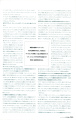
pg45
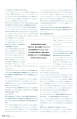
pg46
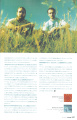
pg47
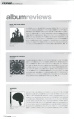
Review pg114


Highlights[edit]
- Mike: If there's a concept, it's the enjoyment of chaos. The music, sound, visuals, and perception all behave oddly, moving uncontrollably, like hallucinations bouncing around in a disorderly fashion. Visually, it's like looking through an orange glass bottle that has been shattered, like a typical pop music album smashed to pieces.
- Marcus: Reconstructing and recording what you imagine. That's the ultimate goal of composing—removing the middle ground and directly conveying to the listener what you first heard in your head. I believe that if there is a god, they communicate through music. I've studied musicians who tried to reach god through music, and their creations often made me feel the strangest. It was as if the music wasn't created by them. Listen to Brian Wilson's "God Only Knows". If there's a god to pray to, I think I'll give this a try as well.